
Understanding the Right Approach to Hair Loss
Hair loss can be frustrating, especially when thinning becomes noticeable around the hairline, crown, or parting. With so many treatments available today, choosing between non-surgical options and hair restoration procedures can feel confusing. Two commonly discussed options are platelet-rich plasma (PRP) therapy and hair transplantation.
The question of hair transplant vs prp is not simply about deciding which treatment is more popular. These procedures work differently, address different stages of hair loss, and may be recommended for different patients. PRP focuses on using concentrated components of your own blood to support the scalp environment and potentially improve hair growth, while a hair transplant involves moving hair follicles from a donor area to areas affected by thinning or baldness.
Understanding how each treatment works, who may benefit from it, and what results can realistically be expected is important before making a decision.
Hair Transplant vs PRP: How Are They Different?
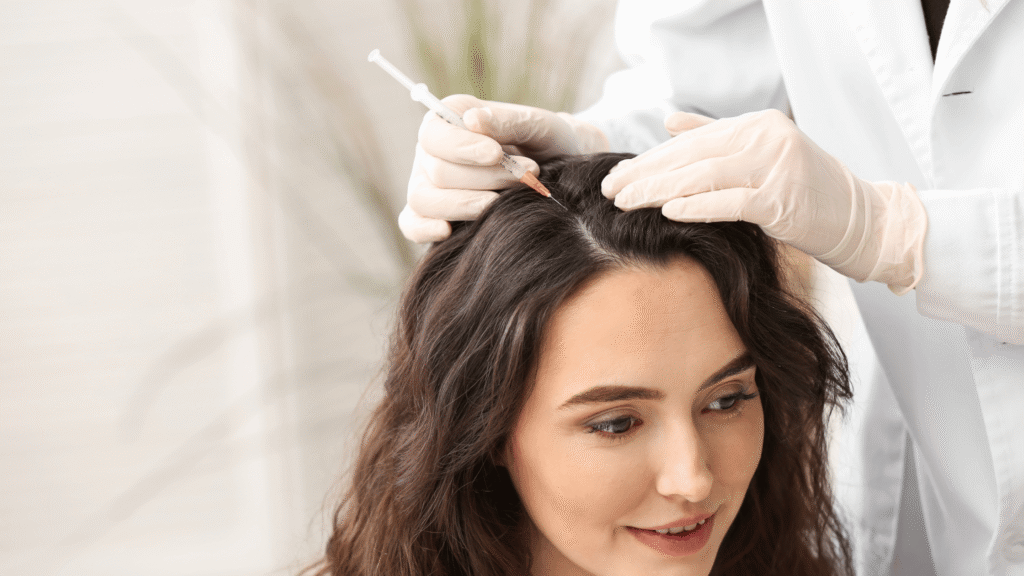
When comparing hair transplant vs prp, the most important difference is the way each treatment approaches hair loss. PRP is a non-surgical treatment. A small amount of the patient’s blood is collected and processed to concentrate platelets and growth factors. The resulting platelet-rich plasma is then injected into selected areas of the scalp. The objective is to support the hair follicles and improve the scalp environment.
Hair transplantation is a surgical hair restoration procedure. Healthy hair follicles are taken from a donor area, usually where hair is more resistant to androgen-related thinning, and carefully transplanted into areas experiencing significant thinning or baldness.
Therefore, PRP is generally considered a treatment that may help support existing follicles, while transplantation physically relocates follicles to areas where greater hair density is desired.
What Is PRP Hair Treatment?
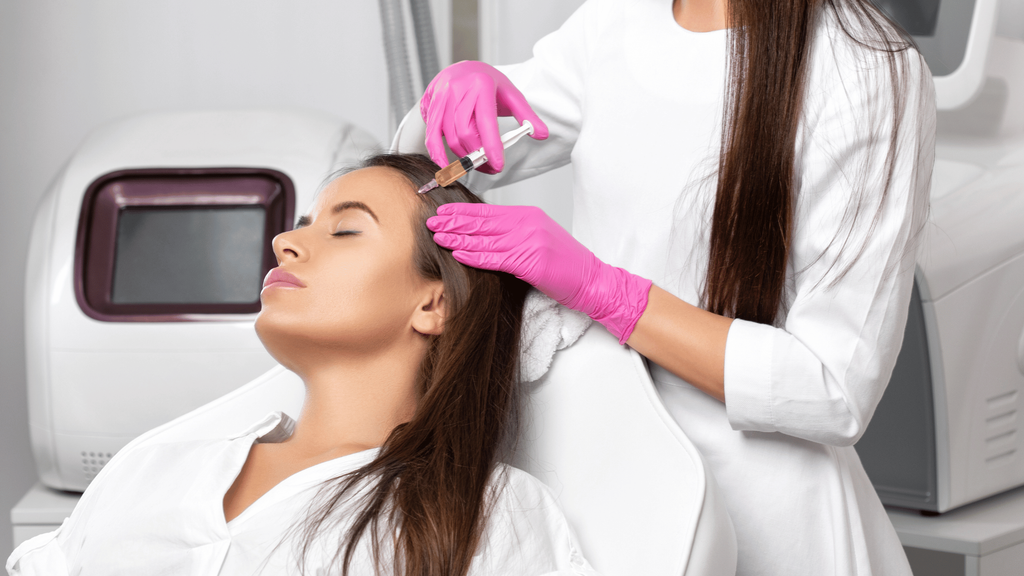
PRP hair treatment has gained attention as a minimally invasive option for people experiencing certain types of hair thinning.
During PRP therapy, blood is collected and processed to separate platelet-rich plasma. This concentrated plasma contains growth factors that may support tissue repair and influence the hair-growth environment when introduced into the scalp. PRP may be considered for people with early or moderate hair thinning who still have viable follicles. It is not designed to recreate follicles in completely bald areas where follicles are no longer present.
Results can vary considerably between patients. Factors such as the cause of hair loss, age, degree of thinning, overall health, nutritional status, and follicle condition can influence outcomes. This is why a proper scalp and hair assessment should be performed before beginning treatment.
How Does a Hair Transplant Work?
A hair transplant is designed to restore hair in areas where significant thinning or baldness has occurred by relocating healthy follicles. Modern hair transplantation commonly uses techniques such as follicular unit extraction (FUE), in which individual follicular units are extracted from the donor area and implanted into recipient areas.
The procedure requires careful planning because the available donor hair is limited. The doctor needs to evaluate the donor density, hair characteristics, pattern of hair loss, scalp condition, and expected progression of hair loss before designing the treatment. The goal is not simply to place as many follicles as possible. A well-planned procedure should consider natural hair direction, density, hairline design, and long-term appearance.
PRP Treatment vs Hair Transplant: Which One Is More Suitable?
The treatment vs hair transplant comparison becomes easier when you consider the patient’s individual condition.
PRP may be considered when:
- Hair thinning is relatively early or moderate.
- Existing follicles may still be active.
- The patient wants a non-surgical approach.
- The goal is to support existing hair rather than transplant follicles.
- The doctor believes PRP may be appropriate after evaluation.
A hair transplant may be considered when:
- There is noticeable pattern baldness.
- Hair density has significantly reduced in specific areas.
- Existing follicles are unlikely to produce sufficient coverage.
- The patient has an adequate donor area.
- A permanent redistribution of existing follicles is appropriate.
In some cases, these approaches may complement one another rather than being viewed as competing treatments. You can learn more about the procedure through Clinic Reborn’s hair transplantation service.
PRP vs Hair Transplant: Which Is Better?
Patients frequently ask, prp vs hair transplant which is better? There is no universal answer. The better option depends on the cause and stage of hair loss, the condition of existing follicles, donor-hair availability, expectations, and overall scalp health. For someone with early-stage thinning and viable follicles, a doctor may consider PRP as part of a broader hair-loss management plan.
For someone with established baldness and sufficient donor hair, transplantation may provide a more suitable approach for restoring coverage. The key is not to select a treatment based solely on online comparisons. A consultation allows the doctor to determine whether the follicles are still viable and whether the pattern of hair loss is appropriate for the selected treatment.
PRP vs Hair Transplant: Understanding Results
Another important factor in the hair transplant vs prp discussion is the type of result each treatment is intended to provide. PRP does not transplant new follicles. Its purpose is to support existing follicles and potentially improve hair density, thickness, or growth in appropriate candidates.
Hair transplantation, on the other hand, physically moves follicles from one part of the scalp to another. Transplanted follicles can produce hair in their new location once they establish themselves. However, hair transplant results are not immediate. Newly transplanted hair may initially shed before new growth develops. The final outcome can take several months and varies between patients. Patients should therefore avoid comparing treatments based only on short-term photographs or promotional claims.
Is PRP Hair Treatment Painful?
PRP is minimally invasive, but some patients may experience temporary discomfort during injections. Mild redness, swelling, or tenderness can occur around the treated areas and generally settles with time. The exact experience varies depending on individual pain tolerance and the technique used. Before treatment, your doctor can explain what to expect, how the procedure is performed, and what aftercare may be required.
If you are considering prp hair treatment in zirakpur, you can explore Clinic Reborn’s PRP & GFC therapy service to learn more about available hair restoration options.
What About Hair Transplant Recovery?
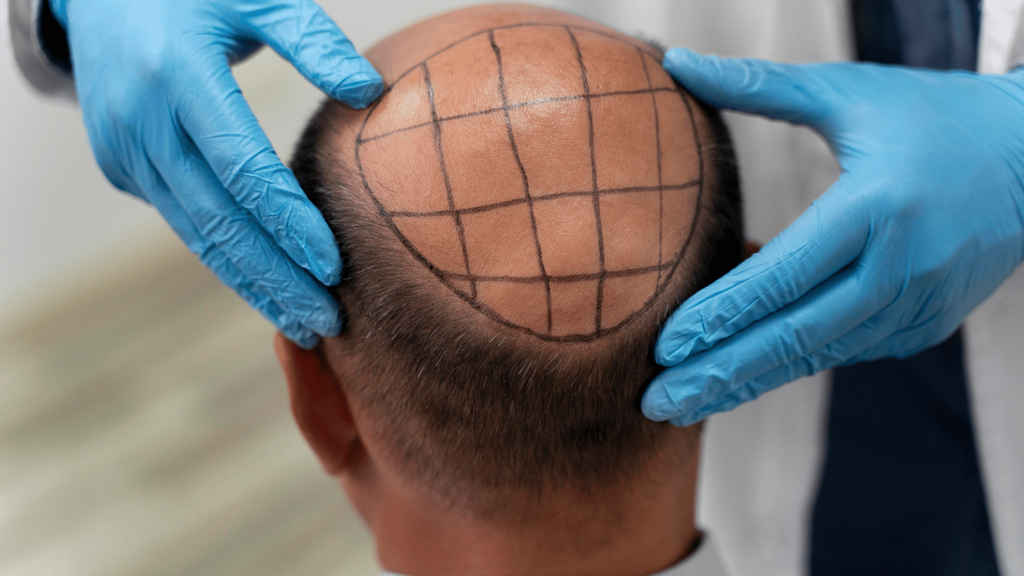
Hair transplantation involves a recovery period, although modern techniques are designed to minimise unnecessary trauma. Patients may experience temporary swelling, redness, crusting, or sensitivity after the procedure. Following the doctor’s post-procedure instructions is important for protecting the transplanted area and supporting proper healing. Patients should also understand that transplanted hair does not immediately appear at its final density. Hair growth occurs gradually, and the timeline can differ between individuals.
A professional consultation can provide a more realistic understanding of recovery and expected results based on the patient’s specific condition.
Hair Transplant in Chandigarh: What Should You Consider?
People searching for hair transplant in chandigarh should look beyond the procedure’s advertised price. Important factors include the doctor’s experience, proper diagnosis, donor-area assessment, surgical technique, hygiene standards, treatment planning, and realistic expectations.
A hair transplant is not simply about moving hair from one location to another. The procedure requires careful planning to create a natural-looking hairline and appropriate density while preserving the donor area. Before undergoing treatment, ask about the technique being recommended, expected recovery, potential risks, number of grafts required, and long-term hair-loss management.
Can PRP and Hair Transplant Be Combined?
In some patients, PRP and hair transplantation may be used as complementary approaches, depending on the doctor’s assessment. PRP may be considered to support existing non-transplanted hair or as part of postoperative hair-care protocols. However, treatment combinations should never be assumed to be necessary for everyone.
The appropriate plan depends on the patient’s hair-loss pattern, scalp condition, donor availability, existing hair density, and treatment goals. A qualified professional can determine whether one treatment or a combination is appropriate.
Why Professional Hair Assessment Matters
Hair loss can have many causes, including androgenetic alopecia, nutritional deficiencies, hormonal changes, stress, certain medical conditions, medications, and scalp disorders. Because the underlying cause matters, treating hair loss without identifying its cause may produce disappointing results. A professional consultation can include an assessment of the scalp, hair density, family history, pattern of hair loss, and previous treatments. In some cases, additional investigations may also be recommended.
Choosing Between Hair Transplant and PRP
Ultimately, the decision in the hair transplant vs prp debate should be based on your individual hair-loss condition rather than a generic comparison. If you still have viable follicles and relatively early thinning, PRP may be worth discussing with a specialist. If you have significant baldness and an adequate donor area, hair transplantation may be more appropriate. In some cases, the treatments may serve different purposes and can potentially form part of a broader hair-restoration strategy.
Clinic Reborn provides hair restoration services designed around individual patient requirements. Visit the Clinic Reborn to explore available treatments and aesthetic services.
The Bottom Line
There is no single answer to hair transplant vs PRP because every patient’s hair-loss pattern is different. PRP is a minimally invasive approach that aims to support existing hair follicles, while hair transplantation relocates healthy follicles to areas affected by significant thinning or baldness. The right treatment depends on factors such as the cause and stage of hair loss, follicle health, donor density, scalp condition, and personal expectations. Rather than choosing a procedure based solely on cost or online before-and-after photographs, consult a qualified professional who can evaluate your hair and recommend an appropriate approach.
If you want to discuss your options, you can visit the contact us page to enquire about a consultation.
Frequently Asked Questions
1. Is PRP better than a hair transplant?
PRP and hair transplantation serve different purposes, so neither is universally better. PRP may support existing follicles in suitable patients, while transplantation moves healthy follicles to areas with significant hair loss. A professional assessment is necessary to determine the more appropriate option.
2. How many PRP sessions are needed for hair loss?
The number of PRP sessions varies depending on the patient’s hair-loss pattern, follicle condition, treatment goals, and response. A doctor may recommend multiple sessions spaced over several weeks or months, followed by maintenance treatments when considered appropriate.
3. Does a hair transplant permanently restore lost hair?
Hair transplantation relocates follicles that are generally more resistant to pattern hair loss. These transplanted follicles can provide long-term growth, but existing non-transplanted hair may continue thinning. Ongoing medical management may therefore be recommended to maintain overall hair density.
4. Can PRP and hair transplantation be done together?
In selected patients, PRP and hair transplantation may be incorporated into a broader hair-restoration plan. However, combining treatments is not automatically necessary. The decision depends on hair-loss severity, scalp condition, donor availability, existing follicles, and the patient’s individual treatment goals.