
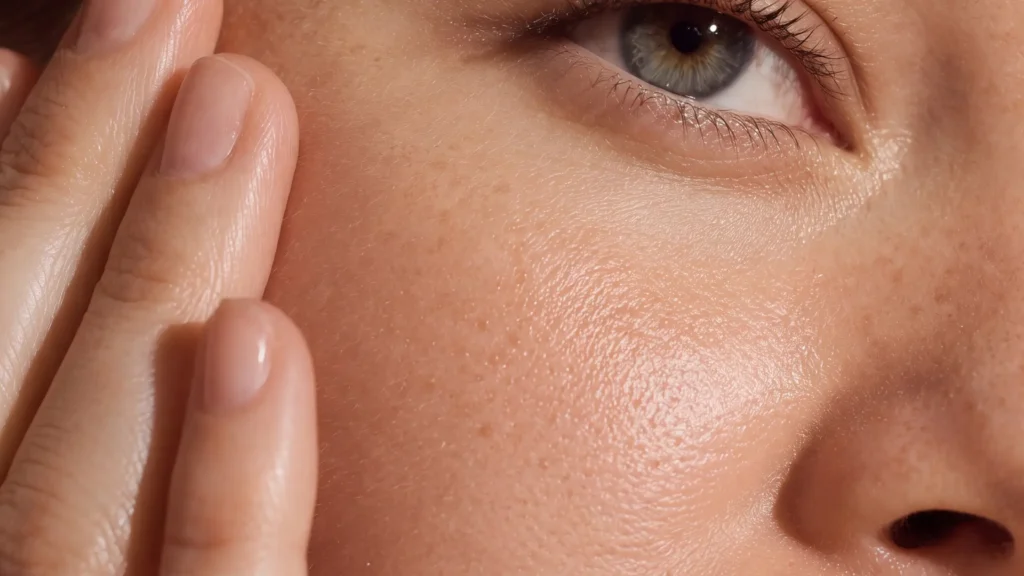
Glass skin is the K-beauty look of skin so smooth, hydrated, and clear that light bounces off it the way it would off a pane of glass, and it has nothing to do with filters or makeup.
Korean beauty products grew 53% worldwide in the year ending January 2026, according to NielsenIQ data reported by Cosmetics Business, and glass skin is still the one look driving most of that demand. This guide covers what the term actually means, how it works, the daily routine that builds it, and which clinic treatments in Zirakpur can speed things up.
Key Takeaways
- Glass skin means clear, hydrated, even-toned skin with a smooth, reflective finish, not a makeup trick.
- It comes from skin barrier health and water content, not one product or a single facial.
- A short daily routine of cleansing, hydration, and sun protection works better than ten random products.
- A Korean glass skin facial, such as hydrafacial or oxygeneo facial, can speed up results when paired with home care.
- Zirakpur’s dry winters and humid summers both strip hydration, so the routine needs small seasonal tweaks.
- Results build over 4 to 6 weeks; anyone promising it overnight is overselling it.
Table of Contents
- What Is Glass Skin?
- Korean Glass Skin vs. a Regular Glow
- How Does It Actually Work on Your Skin?
- How to Get Glass Skin at Home
- Getting a Korean Glass Skin Facial at a Clinic
- Mistakes That Undo Your Results
- Does This Work in Zirakpur’s Weather?
- FAQs
What Is Glass Skin?

Glass skin is skin that looks smooth, hydrated, and clear enough to reflect light, almost like glass. It is a result of good skin health, not a single routine step you can buy in a bottle.
So what is glass skin in practical terms? Low pore visibility, an even tone, and a dewy, not oily, finish that holds up through the day. It is not “glowing skin” from highlighter, it does not last after one facial, and it is not reserved for naturally clear or fair skin.
Korean Glass Skin vs. a Regular Glow
Korean glass skin is the original version of this trend, built on a culture that layers lightweight hydration instead of piling on heavy cream. A regular glow sits on top of the skin, from oil, sweat, or highlighter. This look comes from inside the skin’s own moisture levels.
| Regular Glow | Glass Skin |
| Surface shine from oil or product | Light reflects off hydrated, smooth skin |
| Can turn greasy by midday | Stays even and dewy for hours |
| Fixed with blotting paper or powder | Fixed with hydration and barrier care |
| Short-term, cosmetic | Builds over weeks with consistent care |
That is why a Korean glass skin facial at a clinic focuses on hydration infusion and gentle exfoliation rather than drying treatments. The goal is plumper skin, not a temporary shine.
How Does It Actually Work on Your Skin?
It comes down to three things: hydration, a healthy skin barrier, and smooth texture. When the barrier, the outer layer that locks in moisture, is intact, water stays in the skin instead of evaporating out. That water content is what makes skin look plump and reflective.
Dead skin cells on the surface scatter light unevenly, which is why dull, flaky skin never looks this way, however much moisturiser goes on top. Regular, gentle exfoliation smooths that surface so light reflects evenly.
- Barrier strength – over-exfoliating or harsh products damage it, which leaks moisture and shows up as redness.
- Hydration level – both what you apply and what you drink and sleep.
- Surface texture – smooth skin reflects light evenly; rough or flaky skin does not.
How to Get Glass Skin at Home
Here is how to get glass skin without buying ten new products. Follow this order, morning and night:
- Double cleanse at night – an oil or balm cleanser first, then a gentle gel cleanser.
- Exfoliate 2–3 times a week – a mild lactic or salicylic acid works better than scrubbing.
- Hydrating toner – skip anything with alcohol in it.
- Essence or serum – hyaluronic acid or niacinamide to add and hold moisture.
- Moisturiser – lighter for oily skin, richer for dry skin.
- Sunscreen every morning – unprotected skin tans unevenly and ages faster.
A sheet mask once or twice a week and 7–8 hours of sleep help too, since skin repairs itself overnight. This routine needs four to six weeks to show a real difference.
Getting a Korean Glass Skin Facial at a Clinic

A home routine does most of the work, but a facial speeds things up where pigmentation, dullness, or texture need more than products alone can fix. At Clinic Reborn in Zirakpur, a few treatments support this goal:
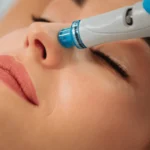
- Hydrafacial – cleanses, exfoliates, and infuses hydration in one session, which targets the two things skin needs most: clean pores and water content.
- Oxygeneo facial – oxygen infusion that brightens and refreshes texture for a smoother, more even finish.
- Carbon laser peel – treats open pores and uneven texture, both of which scatter light.
- Chemical peels – deeper resurfacing for dull or rough skin.
These work alongside a daily routine, not instead of one. A facial without home follow-up fades fast.
Mistakes That Undo Your Results
Most people trying to get Korean glass skin work against themselves with one of these:
- Over-exfoliating – more than three times a week damages the barrier instead of smoothing it.
- Skipping sunscreen – the single biggest reason skin looks dull and uneven over time.
- Stacking too many actives – strong acids and retinoids together usually irritate rather than brighten.
- Expecting instant results – this is a weeks-long process, not a weekend fix.
- Ignoring skin type – a routine built for dry skin can clog and worsen oily or acne-prone skin.
Does This Work in Zirakpur’s Weather?
Yes, with small seasonal adjustments. Zirakpur’s winters run dry and pull moisture out fast, while summers bring humidity and sweat that can clog pores if products are too heavy.
- Winter – lean on richer moisturisers, and keep strong exfoliants to twice a week at most.
- Summer – switch to lighter, gel-based hydration, and never skip sunscreen, since UV is stronger.
- Combination or oily skin, common here, needs hydrating but non-comedogenic products rather than skipping moisture altogether.
Local weather does not rule it out. It just means a seasonal tweak, not a complete rethink. For anyone also dealing with pigmentation alongside dullness, pigment reduction treatments are worth combining with a facial.
Ready to see what your skin can actually do with the right routine and the right facial behind it? Book a consultation with Clinic Reborn and get an expert read on what it needs before you spend another rupee guessing.
FAQs
Is glass skin only possible with Korean products?
No. The look comes from hydration and barrier health, not a specific brand. Korean products popularised the method and the steps behind it, but any gentle, hydration-focused routine from any country can get you there with consistent, daily use over time.
How long does it take to get glass skin?
Most people see a visible change in 4 to 6 weeks of consistent care, sometimes sooner with good sleep and water intake. Deeper issues like acne scarring or pigmentation usually need professional treatment alongside the routine for faster, more even results.
Can oily skin get glass skin too?
Yes. Oily skin often has the reflective quality naturally; the real issue is usually uneven texture, open pores, or clogged follicles, not a lack of shine. Lightweight, non-comedogenic hydration works far better here than skipping moisturiser altogether out of fear of grease.
Does one facial give you glass skin?
Not on its own. A facial like hydrafacial gives a visible, same-day boost, but that look fades within days without daily hydration and sun protection at home. Treat a good facial as a head start on the process, not the finish line itself.
Is this safe for sensitive or acne-prone skin?
Yes, with the right approach. Skip harsh physical scrubs and strong actives layered together, and stick to gentle cleansing with barrier-focused hydration instead. A dermatologist consultation helps confirm the right products if acne or sensitivity is already an active concern.