
How long does it take to recover after a hair transplant? Can you return to work within a few days, or will you need to wait several weeks before your scalp looks normal again? More importantly, when will you finally start seeing new hair growth? These are common questions for anyone considering hair restoration.
A hair transplant can be an important step towards addressing hair loss, but the journey does not end when the procedure is completed. Your scalp needs time to heal, transplanted follicles must settle into their new locations, and visible hair growth develops gradually. For instance, someone undergoing a transplant on Monday may feel comfortable returning to desk work later that week, while minor redness and scabbing may still be visible.
Understanding the hair transplant recovery time helps you prepare for the healing process, plan your routine, and develop realistic expectations. Although initial healing generally takes around 10–14 days, complete hair growth can take 9–12 months or longer, depending on individual factors.
How Long Does Hair Transplant Recovery Take?
The hair transplant recovery time varies according to the surgical technique, number of grafts, individual healing response, and post-procedure care. Most patients experience the initial healing phase within two weeks. However, the transplanted hair follows a separate growth cycle that continues for several months.
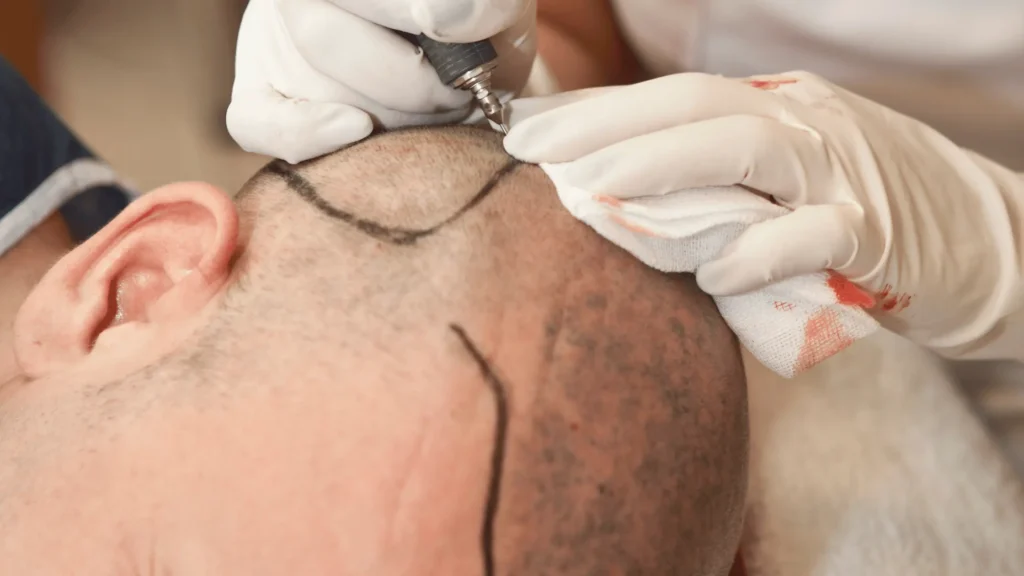
During the first few days, mild swelling, redness, tenderness, and small scabs may appear around the treated areas. These are generally expected parts of the healing process. As the scalp recovers, these symptoms gradually settle.
It is important to understand that recovering from surgery and seeing the final hair transplant results are two different things. Your scalp may look healed within a couple of weeks, but visible improvements in hair density take considerably longer. Learn what to expect during hair transplant recovery
Hair Transplant Recovery Timeline: What to Expect Week by Week
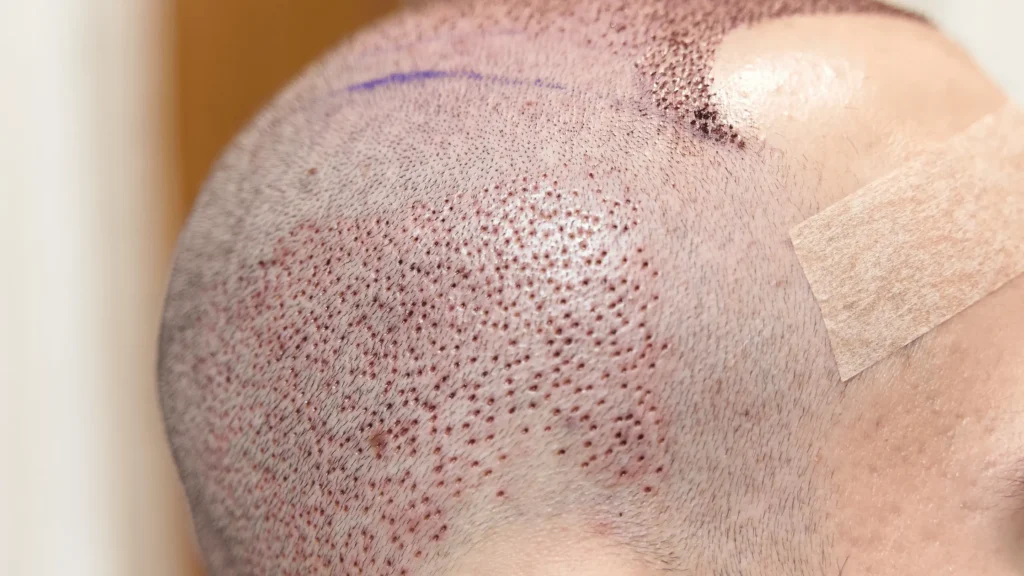
Knowing what happens after the procedure can make the recovery journey easier to manage. Here is a general timeline:
First 24–48 Hours: Initial Healing
Immediately after surgery, the scalp may feel tender, tight, or slightly swollen. Small scabs can develop around the transplanted follicles. Your surgeon may recommend prescribed medication, saline sprays, and specific sleeping positions to protect the treated area.
Avoid touching, scratching, or rubbing the transplanted region during this stage.
Days 3–7: Redness and Swelling
Some patients experience forehead swelling, mild discomfort, and visible scabbing during the first week. These symptoms generally improve gradually. Follow your surgeon’s instructions regarding washing your scalp and avoid exposing the treated area to unnecessary friction.
Days 8–14: Scalp Healing
By the second week, most scabs begin to loosen and fall away naturally. Redness may also become less noticeable, although individual healing patterns differ.
Many patients feel more comfortable returning to their regular routines during this period. However, strenuous workouts and activities that may disturb the scalp should only resume when approved by the surgeon.
Weeks 3–8: Temporary Hair Shedding
One stage that often surprises patients is temporary shedding. The transplanted hair shafts may fall out within the first few weeks after surgery. This is commonly known as shock shedding and does not automatically mean the transplanted follicles have failed. The follicles generally remain beneath the scalp and can begin producing new hair after entering their next growth cycle.
Months 3–6: New Hair Growth
New hair may start appearing around the third or fourth month. Initially, the strands can look fine, thin, or uneven. With time, they gradually become more noticeable as growth continues.
Months 6–12: Visible Improvements
Hair density and coverage generally improve over the following months. Many patients notice more meaningful cosmetic changes during this stage, although the final appearance may take 12 months or longer.
FUE Hair Transplant Recovery Time vs FUT: What Is the Difference?
The technique used during surgery can influence the healing experience.
FUE hair transplant recovery time is generally shorter because individual hair follicles are extracted using small punches rather than removing a strip of scalp. The technique does not require a linear incision or stitches in the donor area. However, small extraction marks still need time to heal.
In comparison, FUT hair transplant recovery time may be longer because the procedure involves removing a strip of scalp from the donor area and closing the incision with stitches. Patients may experience additional tightness around the donor site, and the surgeon will provide specific instructions for wound care and stitch removal.
The choice between these techniques depends on donor hair availability, scalp condition, restoration goals, and medical suitability. Faster recovery should not be the only factor when selecting a procedure.
Essential Tips to Support Recovery After Hair Transplant
Following the right aftercare routine is important for protecting the transplanted grafts and allowing the scalp to heal properly.
Consider these practical precautions:
- Follow medical instructions: Use prescribed medicines, sprays, and cleansing products exactly as recommended by your surgeon.
- Avoid touching grafts: Do not scratch, rub, or pick at scabs, as this can interfere with healing.
- Sleep carefully: Keep your head elevated if advised and avoid direct pressure on the transplanted area.
- Wash gently: Follow your clinic’s instructions regarding when and how to wash your scalp.
- Avoid strenuous exercise: Heavy workouts, swimming, and contact sports should be postponed until your surgeon approves them.
- Protect your scalp: Avoid direct sun exposure and excessive heat during the initial healing period.
- Attend follow-up appointments: Regular check-ups allow your doctor to assess healing and address any concerns.
If you experience increasing pain, excessive bleeding, fever, spreading redness, or discharge, contact your treating doctor promptly.
Does Recovery Differ Between Patients?
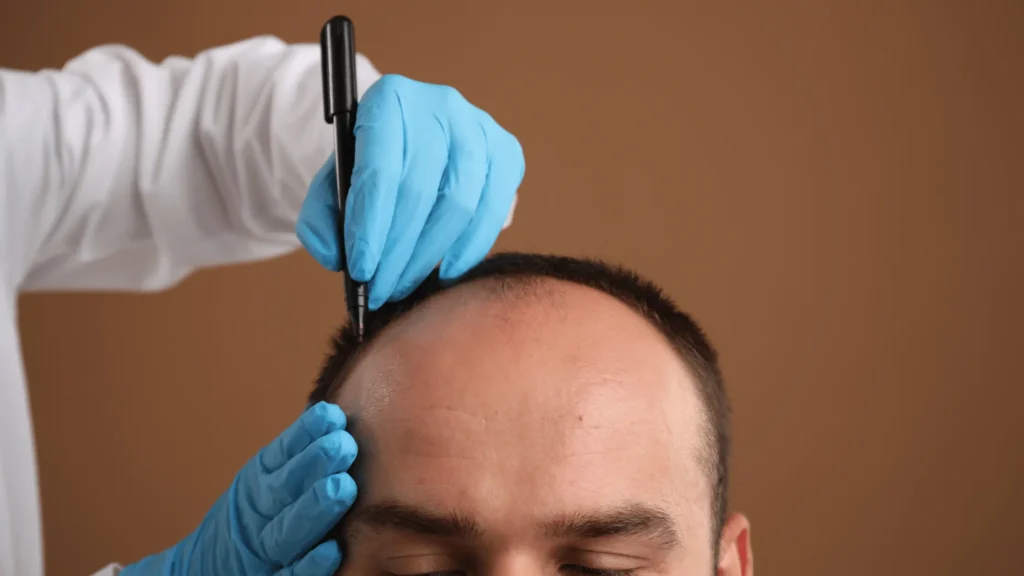
Yes. The hair transplant recovery time is not identical for everyone. Factors such as age, general health, scalp condition, surgical technique, graft numbers, and individual healing capacity can influence recovery.
For example, a person undergoing a smaller FUE procedure may experience less visible swelling and return to desk-based work relatively quickly. Someone receiving a larger transplant may require additional recovery time and closer follow-up. Your occupation also matters. People working from home or performing desk-based tasks may resume work sooner than those involved in physically demanding activities.
What Happens to Transplanted Hair Before the Final Results?
Temporary shedding can make some patients anxious, particularly when they initially notice less density than expected. However, this is usually a normal part of the hair restoration process.
The transplanted follicles gradually establish themselves in the recipient area before producing new hair. Growth then progresses over several months, with improvements in thickness and coverage becoming more noticeable over time.
Looking at genuine hair transplant Before and After results can help you understand the gradual nature of the transformation. However, individual outcomes vary, and photographs should not be treated as a guarantee of identical results.
When Should You Consult a Hair Transplant Specialist?
Understanding the hair transplant recovery time before surgery can help you make informed decisions about the procedure. During your consultation, discuss the expected healing period, recommended aftercare, possible side effects, and when you can resume your regular activities. If you are comparing treatment options, you can also read about hair transplant vs PRP to understand how surgical hair restoration differs from non-surgical hair-loss management.
Patients exploring hair transplant in Chandigarh can consult Dr. Sandeep Singla at Clinic Reborn to discuss their hair-loss concerns, treatment suitability, and recovery expectations.
Plan Your Hair Restoration Journey with the Right Guidance
A hair transplant is a gradual process that requires patience, proper aftercare, and realistic expectations. While initial healing may take around two weeks, visible hair growth develops over several months. Following professional guidance and attending scheduled follow-ups can help you navigate each stage with greater confidence.
At Clinic Reborn, treatment planning focuses on individual hair-loss patterns, restoration requirements, and patient-specific needs. Visit the Clinic Reborn to explore available hair restoration services or contact the clinic to schedule a consultation.