
Is Your Hair Falling More Than Usual This Monsoon?
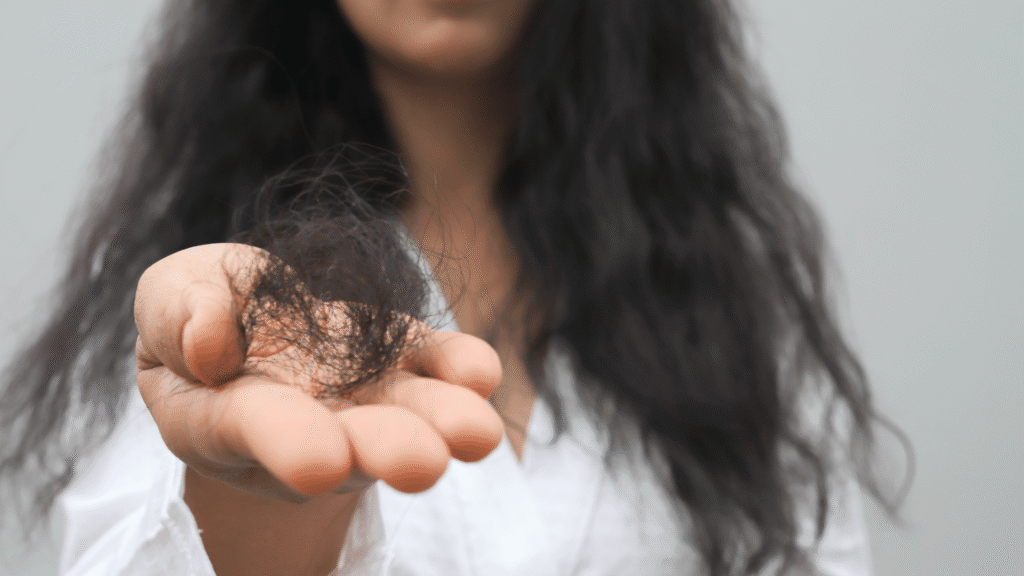
Do you notice more hair strands on your pillow, comb, or shower drain as soon as the rainy season begins? Have you been wondering whether this sudden shedding is normal or a sign of an underlying problem? If yes, you’re not alone. Many people experience hair fall in monsoon, and while some seasonal shedding is expected, ignoring excessive hair loss can lead to thinning hair and reduced confidence.
The combination of increased humidity, sweat, scalp infections, pollution, and nutritional deficiencies makes the rainy season particularly challenging for hair health. The good news is that with the right scalp care, healthy lifestyle habits, and timely medical intervention, you can minimize seasonal hair loss and maintain stronger, healthier hair. In this guide, we’ll explain why hair fall occurs, practical ways to manage it, and when it’s time to seek professional treatment.
What Causes Hair Fall in Monsoon?
Although seasonal hair shedding is natural, the monsoon creates conditions that can worsen it.
Common reasons include:
- High humidity weakens hair roots.
- Excess sweating leads to greasy scalp conditions.
- Fungal and bacterial scalp infections become more common.
- Rainwater mixed with pollutants damages hair shafts.
- Poor nutrition affects hair growth cycles.
- Stress and hormonal changes may increase shedding.
Together, these factors make hair fall in monsoon more noticeable than during other seasons.
Is Hair Fall During Monsoon Normal?
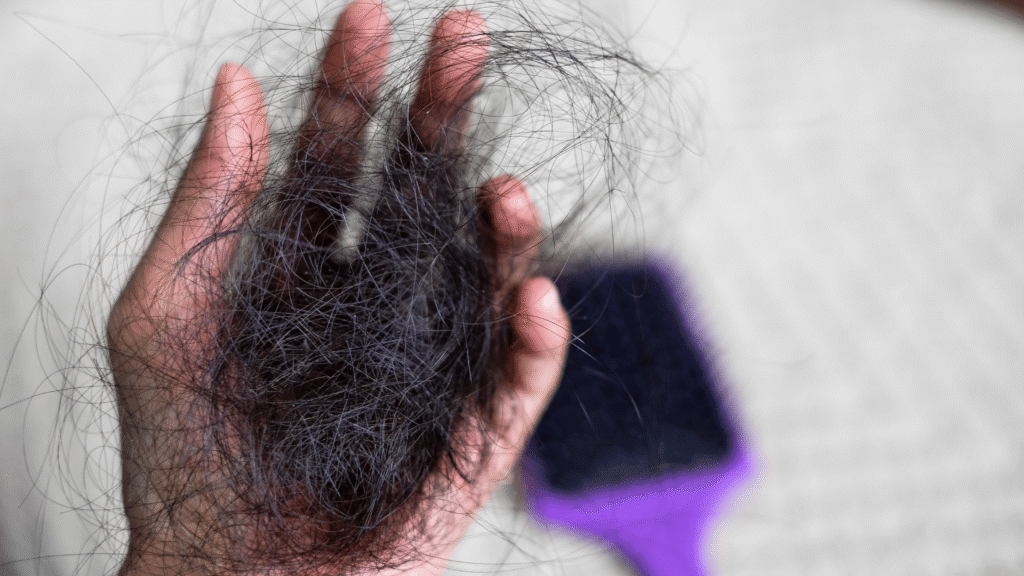
Yes, mild seasonal shedding is generally considered normal. Hair naturally goes through growth, resting, and shedding phases throughout the year. During the rainy season, many hair follicles enter the shedding phase simultaneously.
However, if you’re losing significantly more hair than usual for several weeks, noticing visible thinning, widening of your hair parting, or bald patches, it’s important to consult a hair specialist. Persistent hair fall in monsoon may indicate an underlying scalp or medical condition that requires treatment.
Why Does Hair Become Weak During the Rainy Season?
The scalp remains damp for longer periods because of humidity. This creates an ideal environment for fungal growth, dandruff, itchiness, and clogged hair follicles.
Additionally:
- Hair absorbs excess moisture and becomes frizzy.
- Wet hair stretches more easily and breaks.
- Sweat and oil accumulate faster.
- Frequent shampooing may strip natural oils.
These factors contribute to hair fall in rainy season and weaken overall hair quality.
Signs That Your Hair Loss Needs Medical Attention
Seasonal shedding usually improves after the weather changes. However, consult a specialist if you experience:
- Hair loss lasting over two months
- Noticeable scalp visibility
- Bald patches
- Persistent dandruff or itching
- Painful scalp inflammation
- Hair falling out in clumps
- Family history of pattern baldness
Early diagnosis often prevents long-term hair thinning.
How to Prevent Hair Fall in Monsoon
If you’re wondering how to prevent hair fall, simple daily habits can make a significant difference.
1. Keep Your Scalp Clean
Wash your hair regularly with a mild shampoo to remove sweat, oil, and dirt buildup.
2. Avoid Keeping Hair Wet
Never tie wet hair. Dry it gently using a microfiber towel and allow it to air dry before styling.
3. Improve Your Diet
Hair needs nutrients to remain healthy.
Include:
- Protein-rich foods
- Iron-rich vegetables
- Vitamin D
- Zinc
- Biotin-containing foods
- Omega-3 fatty acids
Good nutrition strengthens hair follicles from within.
4. Reduce Heat Styling
Frequent use of straighteners, curlers, and blow dryers weakens already fragile monsoon hair.
Use heat protectants whenever possible.
5. Massage Your Scalp
Gentle scalp massage improves blood circulation and supports healthy hair growth.
Natural oils like coconut or rosemary oil may also nourish the scalp.
6. Treat Dandruff Early
Monsoon humidity often worsens dandruff and fungal infections.
Using medicated shampoos when recommended by your dermatologist helps maintain a healthy scalp.
Hair Care Mistakes to Avoid During Monsoon
Many everyday habits unknowingly worsen hair fall.
Avoid:
- Sleeping with wet hair
- Over-oiling greasy scalps
- Washing hair with very hot water
- Tight hairstyles that pull hair roots
- Excessive brushing
- Sharing combs or towels
Making small adjustments can significantly reduce breakage. Monsoon humidity can make your hair more prone to frizz, breakage, dandruff, and excessive shedding. A few simple changes, such as keeping your scalp clean, avoiding prolonged dampness, using gentle hair care products, and maintaining a nutrient-rich diet, can go a long way in protecting hair during the rainy season.
Can Stress Increase Hair Fall?
Absolutely.
Seasonal changes combined with work pressure, poor sleep, and anxiety can trigger a condition called telogen effluvium, where many hair follicles shed simultaneously.
Managing stress through:
- Regular exercise
- Meditation
- Adequate sleep
- Balanced nutrition
can help reduce seasonal hair loss.
Professional Treatments for Excessive Hair Fall in Monsoon
Sometimes home remedies are not enough, especially if you’re experiencing excessive hair fall in monsoon. At Clinic Reborn, treatment begins with identifying the underlying cause before recommending personalized solutions.
Some advanced treatment options include:
PRP Therapy
Platelet-Rich Plasma (PRP) therapy uses your body’s own growth factors to stimulate inactive hair follicles and encourage natural hair regrowth.
If you’d like to understand this treatment in detail, read our blog on PRP and GFC Therapy to learn how regenerative hair restoration works and who can benefit most. Discover whether GFC therapy is the right solution for your hair loss. Read our complete guide on GFC hair treatmentcost, procedure, benefits, and pricing in Zirakpur to understand the treatment process, expected results, and factors that influence the overall cost before booking your consultation.
GFC Therapy
Growth factor concentrate (GFC) therapy is an advanced regenerative treatment that delivers concentrated growth factors to the scalp, promoting healthier, stronger hair while reducing ongoing shedding. If you’re looking for an advanced solution beyond shampoos and supplements, PRP & GFC therapy can help restore healthier, thicker hair naturally. These minimally invasive treatments use your body’s own growth factors to strengthen weak hair follicles, reduce ongoing hair fall, improve scalp health, and stimulate new hair growth. Learn more about how these regenerative therapies work, their benefits, and who is an ideal candidate by exploring our detailed guide on PRP & GFC therapy.
Medical Management
Depending on your diagnosis, specialists may recommend:
- Prescription medications
- Nutritional supplementation
- Scalp treatments
- Hormonal evaluation
- Lifestyle modifications
Early treatment usually delivers better long-term outcomes.
Who Is More Likely to Experience Severe Seasonal Hair Loss?
You may have a higher risk if you:
- Have dandruff
- Suffer from thyroid disorders
- Recently experienced illness
- Have iron deficiency
- Have PCOS
- Are under chronic stress
- Have a family history of hair loss
Professional evaluation helps determine the exact cause.
Daily Hair Care Routine for Monsoon
A simple routine can help keep your scalp healthy throughout the rainy season:
Morning
- Comb gently.
- Avoid tight hairstyles.
After Coming Home
- Dry damp hair immediately.
- Clean sweat from the scalp.
Hair Wash Days
- Use a mild shampoo.
- Apply conditioner only to hair lengths.
Weekly
- Scalp massage
- Deep conditioning treatment
- Clean combs and hair accessories
When Should You Visit a Hair Specialist?
Seek professional advice if:
- Home remedies aren’t helping.
- Hair thinning becomes visible.
- Hair loss continues after the monsoon.
- Scalp infections keep recurring.
- Hair volume decreases rapidly.
Timely intervention often prevents permanent follicle damage.
Conclusion
While hair fall in monsoon is common, it doesn’t have to become a long-term concern. Healthy scalp hygiene, balanced nutrition, gentle hair care, and early treatment can significantly reduce seasonal shedding. If you’re experiencing persistent or severe hair loss, don’t wait for it to worsen. Expert evaluation can identify the root cause and provide personalized treatment options that restore both hair health and confidence.
At Clinic Reborn, our specialists offer advanced diagnostic and regenerative hair restoration treatments tailored to your individual needs, helping you enjoy healthier, stronger hair throughout every season. Whether you’re considering a hair, skin, or cosmetic treatment, our experts are ready to guide you with personalized advice and trusted care. Contact Clinic Reborn today to book your consultation, discuss your concerns, and take the first step toward healthier skin, stronger hair, and renewed confidence.
Frequently Asked Questions
1. Is hair fall during monsoon temporary?
Yes. Mild seasonal shedding usually improves once the weather changes. However, if hair loss continues for more than two months or becomes excessive, it’s advisable to consult a hair specialist for proper diagnosis and treatment.
2. What causes excessive hair fall in monsoon?
High humidity, fungal infections, oily scalp, nutritional deficiencies, stress, hormonal imbalance, and weakened hair shafts can all contribute to excessive hair fall in monsoon. Identifying the exact cause helps determine the most effective treatment.
3. How can I prevent hair fall in monsoon naturally?
If you’re wondering how to prevent hair fall in monsoon, maintain scalp hygiene, avoid tying wet hair, eat a protein-rich diet, stay hydrated, reduce heat styling, and treat dandruff promptly. These simple habits help strengthen hair and reduce seasonal shedding.
4. Is PRP therapy effective for seasonal hair fall?
PRP therapy may be highly beneficial when seasonal shedding reveals underlying hair thinning or weakened follicles. It stimulates natural hair growth using your own growth factors and is often recommended after a professional scalp evaluation.
5. When should I consult a dermatologist for monsoon hair fall?
Consult a dermatologist if you notice bald patches, severe scalp itching, persistent dandruff, visible thinning, or too much hair fall in monsoon that continues beyond the rainy season despite proper hair care.