
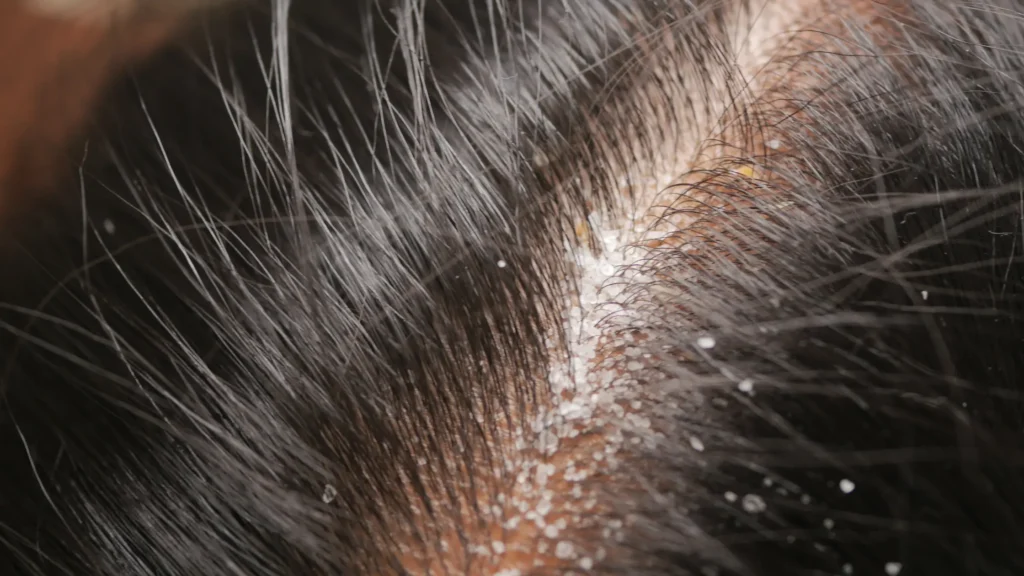
You notice white flakes on your shoulders, scratch your scalp, and grab the nearest anti-dandruff shampoo. A few weeks later the flakes are still there, or your scalp feels even tighter and itchier. This happens far more often than people think, because the problem may not be dandruff at all. Dry scalp vs dandruff is one of the most common mix-ups we see at our clinic in Zirakpur, and getting it right is the first step to fixing it.
Both conditions cause flaking and itching, but they have different causes and need different care. In this guide, we’ll explain how to tell them apart, what triggers each one, and the treatment options that actually help.
Dry Scalp vs Dandruff: What’s the Difference?
The simplest way to understand dry scalp vs dandruff is this: a dry scalp has too little oil, while dandruff usually involves too much oil and a reaction to yeast on the skin.
Dry scalp happens when the skin on your head loses moisture. It flakes for the same reason dry skin on your hands or legs flakes in winter. There’s usually no inflammation, and the rest of your skin often feels dry too.
Dandruff is a mild form of a skin condition called seborrheic dermatitis. It’s linked to a yeast called Malassezia that lives naturally on most people’s scalps. In some people, the scalp reacts to this yeast and the oil it feeds on. Skin cells then shed faster than normal and clump together into visible flakes.
It’s worth clearing up one myth straight away: dandruff isn’t caused by poor hygiene. Washing less often can make flakes more noticeable, but being unclean isn’t what causes them.
Dandruff Flakes vs Dry Scalp Flakes: How to Tell Them Apart
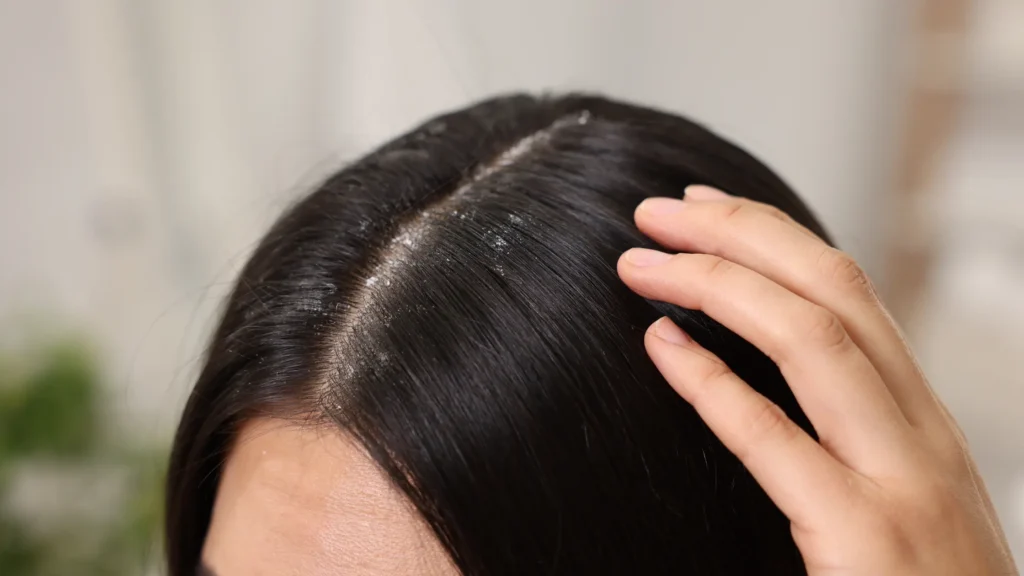
Looking closely at the flakes themselves is the easiest place to start. When comparing dandruff flakes vs dry scalp flakes, pay attention to their size, colour and texture.
| Feature | Dry Scalp | Dandruff |
| Flake size | Small and fine | Larger, sometimes clumped |
| Colour | White | White or yellowish |
| Texture | Dry and powdery | Oily or greasy |
| Scalp feel | Tight, dry | Oily, sometimes red or irritated |
| Other skin | Often dry elsewhere too | May affect eyebrows, sides of the nose or ears |
| Season | Worse in winter | Can flare any time, often with stress or humidity |
| Responds to | Gentle moisturising care | Medicated anti-dandruff shampoos |
A Quick At-Home Check for Dry Scalp vs Dandruff
Try this simple test. Wash your hair with a mild shampoo and check your scalp a day later.
- If your scalp feels tight and the flakes are tiny and dry, dryness is the likely culprit.
- If your scalp feels greasy and the flakes are bigger and slightly yellow, dandruff is more likely.
This isn’t a diagnosis, but it gives you a useful starting point before you buy another product.
What Causes Dry Scalp?
A dry scalp usually comes from things that strip moisture from your skin. Common causes include:
- Cold, dry weather. North Indian winters, especially with heaters running indoors, pull moisture from the skin.
- Hot showers. Very hot water removes the scalp’s natural oils.
- Harsh hair products. Strong shampoos, frequent colouring and styling products can irritate and dry the scalp.
- Over-washing. Shampooing too often with a strong cleanser leaves the scalp with little protection.
- Age and skin type. Some people simply have naturally drier skin.
What Causes Dandruff?
Dandruff has a few overlapping triggers. The most common include:
- Malassezia yeast. This yeast feeds on scalp oil. In sensitive people, it triggers irritation and faster skin shedding.
- Oily skin. People with oilier scalps are more prone to dandruff.
- Stress and lack of sleep. Many people notice flare-ups during stressful periods.
- Humidity and sweat. Zirakpur’s humid monsoon months can make an oily scalp worse. Our blog on hair fall in the monsoon season covers more seasonal scalp tips.
- Infrequent washing. It doesn’t cause dandruff, but it lets oil and flakes build up.
Could It Be Something Else?
Not every flaky scalp is dry skin or dandruff. A few other conditions can look similar:
- Scalp psoriasis causes thick, silvery scales and well-defined patches, sometimes extending beyond the hairline. Learn more about our psoriasis treatment.
- Eczema can cause dry, itchy, inflamed patches on the scalp. See our eczema care page or our guide to eczema vs psoriasis.
- Contact dermatitis is a reaction to a hair dye or product. It often causes redness, burning or itching soon after use.
This is why the dry scalp vs dandruff question matters so much. Using the wrong product for weeks can delay proper care.
What Is the Treatment for Dandruff?
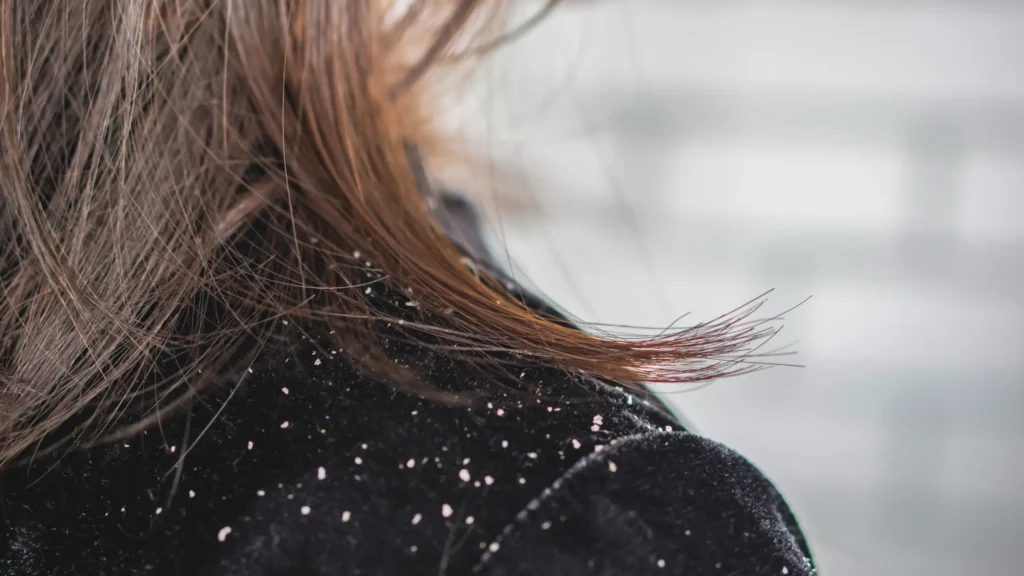
If you’re asking what is the treatment for dandruff, the answer depends on how mild or stubborn your symptoms are. Most cases can be controlled well with the right routine.
Over-the-Counter Medicated Shampoos
For mild dandruff, a medicated shampoo is usually the first step. Look for one of these active ingredients:
- Ketoconazole, an antifungal that targets the yeast
- Zinc pyrithione, which has antifungal and antibacterial action
- Selenium sulphide, which slows skin cell turnover and reduces yeast
- Salicylic acid, which helps loosen and remove scale
- Coal tar, which slows how quickly skin cells shed
Massage the shampoo into your scalp, not just your hair, and leave it on for about five minutes before rinsing. If one shampoo stops working, alternating with another active ingredient often helps.
Caring for a Dry Scalp Instead
If dryness is the problem, medicated shampoos may make it worse. Instead:
- Switch to a gentle, sulphate-free shampoo.
- Wash with lukewarm water, not hot.
- Use a light scalp moisturiser or conditioner suited to your scalp.
- Run a humidifier during dry winter months.
Some simple kitchen-cupboard remedies can soothe mild symptoms too. Our post on home remedies for dandruff and itchy scalp explains which ones are worth trying.
Dandruff Treatment by Doctor: When You Need More Help
Sometimes home care isn’t enough. A dandruff treatment by doctor may include prescription-strength antifungal shampoos, medicated scalp solutions, or short courses of anti-inflammatory treatment to calm redness and itching. A dermatologist can also check whether a different condition is behind your symptoms.
It’s time to see a specialist if:
- Your flakes don’t improve after three to four weeks of medicated shampoo.
- Your scalp is red, swollen, painful or bleeding.
- Thick scales or patches spread to your face, ears or eyebrows.
- You notice hair thinning along with the flaking. Our hair loss treatment team can help investigate the cause.
Dandruff Treatment at Clinic Reborn, Zirakpur
If you’ve been searching for dandruff treatment near me in Zirakpur, Clinic Reborn offers scalp assessments with experienced specialists. We start by finding out what’s really causing your flakes, whether it’s dryness, dandruff, seborrheic dermatitis, psoriasis or a product reaction. Then we build a treatment plan around your scalp, your hair type and your lifestyle.
Our approach includes:
- A detailed scalp and hair examination
- Clear guidance on the right shampoos and products for you
- Prescription treatment when your condition needs it
- Follow-up care to keep flare-ups under control
Want to know more about the people behind your care? Read about choosing the best dermatologist in Zirakpur, or simply book an appointment with our team.
Frequently Asked Questions
Is dandruff caused by poor hygiene?
No. Dandruff is linked to a natural scalp yeast, oil production and how your skin reacts to it, not to being unclean. Washing less often can make flakes more visible, though, so regular shampooing with the right product helps keep them under control.
What is the best dandruff treatment?
It depends on how severe your flakes are. Mild dandruff usually responds to a medicated shampoo containing ketoconazole, zinc pyrithione or selenium sulphide. If it keeps returning, a dermatologist can recommend stronger antifungal or anti-inflammatory treatment suited to your scalp.
Can dry scalp turn into dandruff?
Not exactly, because they have different causes. However, you can have both at once, especially in winter. Harsh products and scratching can also irritate the scalp and make either condition worse, so a doctor’s assessment helps when symptoms overlap.
Is dandruff contagious?
No, dandruff is not contagious. You can’t catch it by sharing a comb, pillow or hat with someone. The yeast linked to it lives naturally on most people’s skin, and dandruff develops when an individual’s scalp reacts to it.
When should I see a doctor for dandruff?
See a dermatologist if flakes don’t improve after a few weeks of medicated shampoo, or if you notice redness, thick scales, bleeding, hair loss or patches spreading to your face, ears or eyebrows. These can signal seborrheic dermatitis or psoriasis.
Final Thoughts
Flakes are frustrating, but they’re rarely a mystery once you know what to look for. Understanding dry scalp vs dandruff helps you choose the right care instead of guessing. Gentle moisture usually fixes a dry scalp. Dandruff needs medicated care. And if your scalp isn’t improving, it’s worth getting a professional opinion.
At Clinic Reborn, our team is here to help you find the cause and get your scalp comfortable again.
This article is for general information only and is not a substitute for medical advice. Please consult a qualified dermatologist about your symptoms.